
Quick Summary
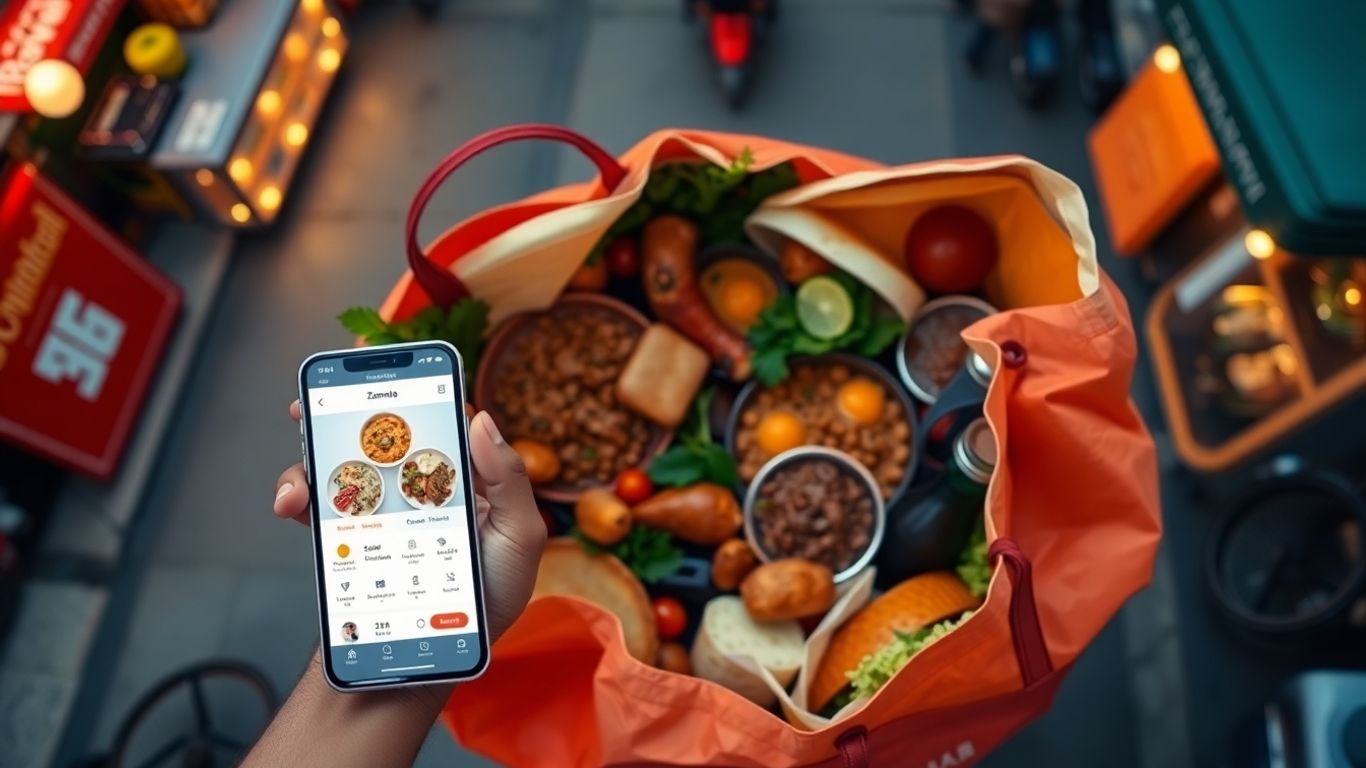
This article explores how Zomato, a major food delivery platform, generates revenue. We'll break down the different income streams, from restaurant commissions to delivery fees, and look at the costs involved in keeping the service running. It's a fascinating look at the economics behind getting your favourite meals delivered to your door.
In This Article
▶ Watch the full video on YouTube
This article explores how Zomato, a major food delivery platform, generates revenue. We’ll break down the different income streams, from restaurant commissions to delivery fees, and look at the costs involved in keeping the service running. It’s a fascinating look at the economics behind getting your favourite meals delivered to your door.
Key Takeaways
- Zomato earns money through restaurant commissions, customer delivery charges, and marketing fees.
- The company’s profitability depends on balancing revenue against operational costs like delivery and customer support.
- Scaling up the business significantly reduces the cost per order, leading to profitability.
- India’s growing economy and increasing consumer spending power present a huge opportunity for Zomato.
- Data plays a vital role in Zomato’s operations, from planning rider capacity to informing restaurant partners.
Understanding Zomato’s Revenue Streams
So, how does Zomato actually make money from each order? It’s a mix of things. First off, there are customer charges, which include delivery fees. But they also get a cut from the restaurants. Think of it as a marketing fee for Zomato, because they’re generating orders for these businesses. Then, of course, there’s the cost of paying the delivery riders. The main goal is that the money coming in should be more than the money going out.
Let’s say a customer spends ₹400 on average for an order, including delivery charges. Zomato’s commission from the restaurant might be around 17-18%, which works out to roughly ₹70. Add to that the customer’s delivery charge, maybe ₹20-30, and you’re looking at about ₹100 in revenue per order. Sounds decent, right? But then you have to subtract the costs.
The Costs of Delivery
Delivery itself isn’t cheap. Depending on the distance and the city, the cost to deliver an order can be anywhere from ₹50 to ₹70. Then there are other expenses. Customer support costs money – that’s the agents you chat with when you have an issue. There are also payment gateway fees. And if a customer isn’t happy with their food and gets a refund, that’s another cost Zomato has to cover.
The Discount Dilemma
People often wonder how Zomato can offer such big discounts, sometimes advertised as ‘up to 50% off’. The reality is, true discounts are usually closer to 20% on a ₹100 order. The speaker feels that discounts should be honest and transparent. However, if competitors keep offering large discounts, it becomes hard for any single company to change that strategy. It’s a competitive game.
The Power of Scale
On average, Zomato might make ₹80 to ₹100 on an order. But after all the costs, especially the fixed costs, the profit per order can be quite small, maybe just ₹1 or ₹2. So how do they become profitable? It’s all about scale. When the business grows massively, the fixed costs – like the engineering team, product managers, and operations staff – don’t increase proportionally. If Zomato scales up 10 times, the cost per order for these fixed teams drops significantly. This is why expanding into more cities within India is so important. It spreads those heavy fixed costs over a much larger number of orders, making the business profitable.
Learning from Acquisitions
Zomato has acquired other businesses in the past, though some were shut down during the pandemic. While these acquisitions might have cost a significant amount of money, they provided valuable data and insights. This data helps Zomato understand the market better and predict future trends. It’s like getting a bigger sample size to learn from.
India’s Bright Future
Looking ahead, the outlook for India is incredibly optimistic. The speaker believes India is developing very fast and has the potential to become an economic superpower in the next 10 to 20 years, on par with China and the US. As people’s spending power increases, they’ll want to order more good food and explore other services like grocery delivery (Blinkit) and more. The focus for Zomato is firmly on scaling within India, as there’s so much potential here for the next decade.
Reaching Every Corner of India
Zomato started by targeting major metros like Mumbai, Delhi, and Bangalore. Now, they’re expanding into hundreds of smaller cities across India. Even in towns like Muktsar, which might not have many shopping malls or cinemas, Zomato becomes a popular option for people looking for entertainment or a break from their routine. The adoption rate in these smaller cities is quite good because there aren’t as many other options for spending or entertainment.
Data-Driven Decisions
Data is key for Zomato. In smaller cities, they see a lot of consistent ordering patterns. For example, knowing how many chicken biryanis are ordered each weekend helps them plan. While Zomato doesn’t need to keep food ready (restaurants do), this data is crucial for planning rider capacity. They also share insights with restaurants, helping them manage their operations better. Many cloud kitchens and restaurants have been set up based on this kind of data-driven requirement, aiming to serve customers more effectively.
Frequently Asked Questions: Makes its money
What is this article about?
This article explores how Zomato, a major food delivery platform, generates revenue. We'll break down the different income streams, from restaurant commissions to delivery fees, and look at the costs involved in keeping the service running. It's a fascinating look at the economics behind getting your favourite meals delivered to your door.
What are the key takeaways?
Zomato earns money through restaurant commissions, customer delivery charges, and marketing fees. The company's profitability depends on balancing revenue against operational costs like delivery and customer support. Scaling up the business significantly reduces the cost per order, leading to profitability. India's growing economy and increasing consumer spending power present a huge opportunity for Zomato. Data plays a vital role in Zomato's operations, from planning rider capacity to informing restaurant partners.
Where can I watch the original video?
This page is a short written summary by BlackTree. Watch the full original video on YouTube: https://www.youtube.com/watch?v=-4qDxwXqMbE
What topics does this article cover?
This article covers: Understanding Zomato's Revenue Streams; The Costs of Delivery; The Discount Dilemma; The Power of Scale; Learning from Acquisitions; India's Bright Future; Reaching Every Corner of India.