
Quick Summary
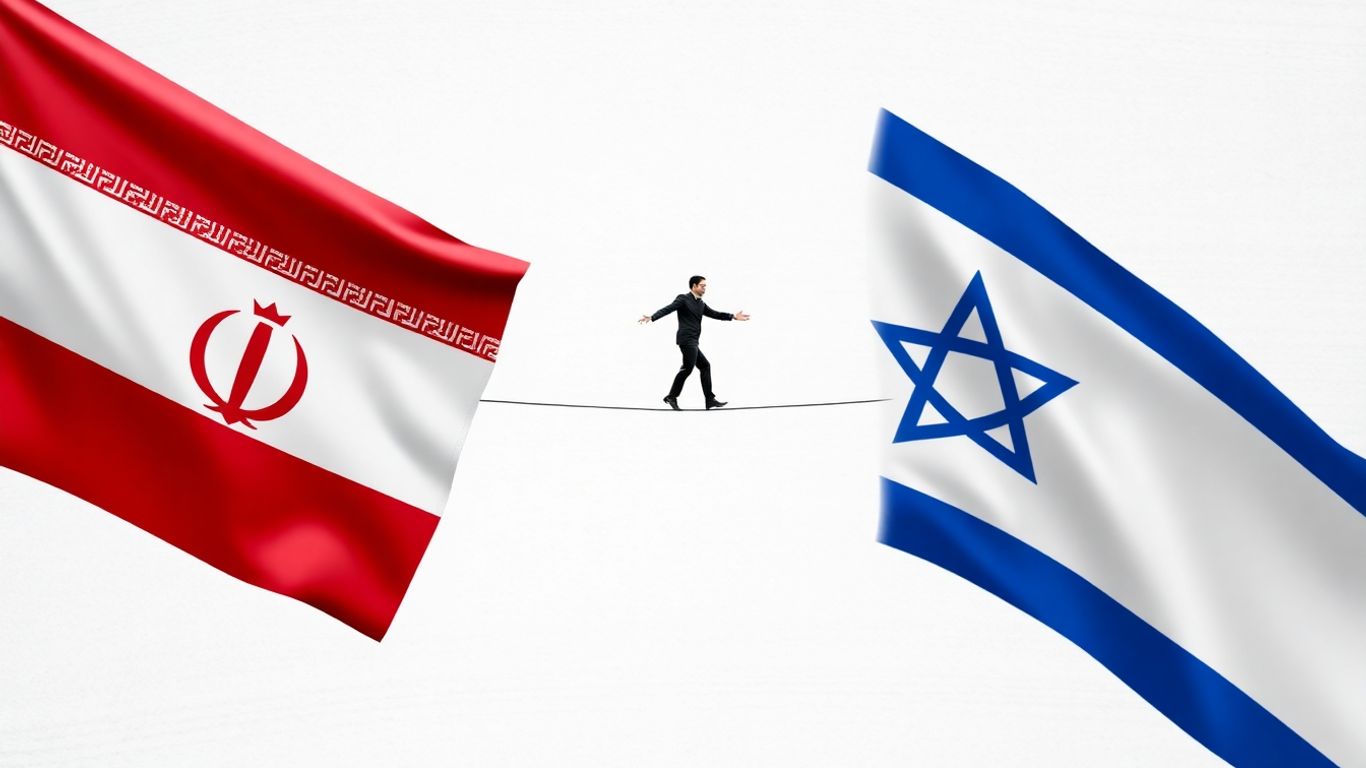
Iran is often labelled the world's most dangerous country, with America calling it the biggest sponsor of terrorism. Recently, Iran launched a significant missile attack on Israel, raising fears of a full-blown war. This situation puts India in a tricky spot, as we maintain friendly relations with both nations.
In This Article
▶ Watch the full video on YouTube
Iran is often labelled the world’s most dangerous country, with America calling it the biggest sponsor of terrorism. Recently, Iran launched a significant missile attack on Israel, raising fears of a full-blown war. This situation puts India in a tricky spot, as we maintain friendly relations with both nations. So, why are we friends with both, and what does this mean for India?
Why Iran Is Considered Dangerous
Iran’s dangerous reputation stems from several factors:
- Military Might: Iran possesses the most powerful military in the Middle East, with a large active and reserve force. Following the Iran-Iraq war in the 1980s, when many countries refused to sell weapons, Iran developed a strong domestic arms industry. This self-reliance means they aren’t dependent on foreign suppliers. Their military technology includes ballistic missiles with a 2,000 km range, capable of hitting targets across the Middle East, and advanced drones that can evade radar, which Russia now imports for use in Ukraine. They also build their own submarines and import them from North Korea.
- Regional Support: Iran has a network of allies and proxies in the Middle East. Groups like Hamas, Hezbollah in Lebanon, and the Houthis in Yemen receive indirect support, including weapons and funding, from Iran. This network, known as the ‘Axis of Resistance’, has become more unified, especially after the conflict in Gaza, with a shared goal of challenging Israel.
- Geopolitical Influence: Iran’s actions and its network of proxies create instability in the region. This has led figures like Kamala Harris to identify Iran as a destabilizing force in the Middle East.
India’s Delicate Balancing Act
India’s foreign policy has historically aimed for neutrality, not just on moral grounds, but out of necessity. During wartime, oil and weapons are critical commodities, and India relies on multiple global partners for both.
- Economic Ties: India needs to maintain good relations with both the Middle East and Russia for its energy needs. We used to import oil from Iran until 2019 but had to stop due to Western sanctions. However, India has recently signed a 10-year deal to operate Iran’s Chabahar port. This port is strategically important, providing India access to Central Asia without going through Pakistan or China, acting as a counter to China’s development of Pakistan’s Gwadar port. Given that India imports 80% of its oil, maintaining ties with the Middle East is vital.
- Defence Dependence: India is the world’s largest arms importer, relying on countries like Russia, America, and France for its defence needs. This dependence makes India vulnerable; if relations sour, these suppliers could halt exports or provide faulty equipment. This reliance on foreign powers, including four out of five permanent members of the UN Security Council, undermines India’s standing on the global stage, even as we seek a permanent seat on the UNSC.
The Need for Self-Reliance
India’s reliance on foreign defence technology is a significant concern. While we import advanced weaponry, our own domestic defence industry often gets overlooked. For instance, India opted for American-made Stryker APCs instead of the Kestrel, developed by DRDO and Tata, which was later sold to Morocco. Similarly, we import T-90 tanks from Russia while our own Arjun tank, which has outperformed Russian tanks in trials, isn’t widely deployed. We also import drones from Israel instead of developing our own indigenous options like the Tapas drone, despite significant investment.
Historically, Iran was a friend of America until the 1979 Islamic Revolution, after which their relationship soured, impacting Iran’s air force, which still uses 1970s-era planes. This serves as a stark reminder for India: relying too heavily on external suppliers can leave us vulnerable if political relationships change.
Key Takeaways
- Iran’s military strength, regional network, and support from other Middle Eastern countries make it a significant player.
- India’s neutral stance is driven by its dependence on both the Middle East for oil and global powers for defence equipment.
- Chabahar port is strategically important for India’s access to Central Asia and as a counter to China’s influence.
- India’s heavy reliance on arms imports makes it vulnerable to sanctions and supply disruptions.
- There’s a critical need for India to boost its domestic defence capabilities and R&D to achieve self-reliance.
Moving Forward
India’s defence exports have grown significantly, showing progress. However, we must increase our R&D funding and build confidence in our own technological capabilities. The situation with Iran and Israel highlights that while we may not choose sides in a conflict, geopolitical interests often force our hand. Ultimately, in international relations, there are no permanent friends, only temporary interests. Strengthening our own defence sector is not just about security; it’s about securing our future independence.
Frequently Asked Questions: Israel why india
What is this article about?
Iran is often labelled the world's most dangerous country, with America calling it the biggest sponsor of terrorism. Recently, Iran launched a significant missile attack on Israel, raising fears of a full-blown war. This situation puts India in a tricky spot, as we maintain friendly relations with both nations.
What are the key takeaways?
Iran's military strength, regional network, and support from other Middle Eastern countries make it a significant player. India's neutral stance is driven by its dependence on both the Middle East for oil and global powers for defence equipment. Chabahar port is strategically important for India's access to Central Asia and as a counter to China's influence. India's heavy reliance on arms imports makes it vulnerable to sanctions and supply disruptions. There's a critical need for India to boost its domestic defence capabilities and R&D to achieve self-reliance.
Where can I watch the original video?
This page is a short written summary by BlackTree. Watch the full original video on YouTube: https://www.youtube.com/watch?v=kh-DKCP8BhM
What topics does this article cover?
This article covers: Why Iran Is Considered Dangerous; India's Delicate Balancing Act; The Need for Self-Reliance; Key Takeaways; Moving Forward.